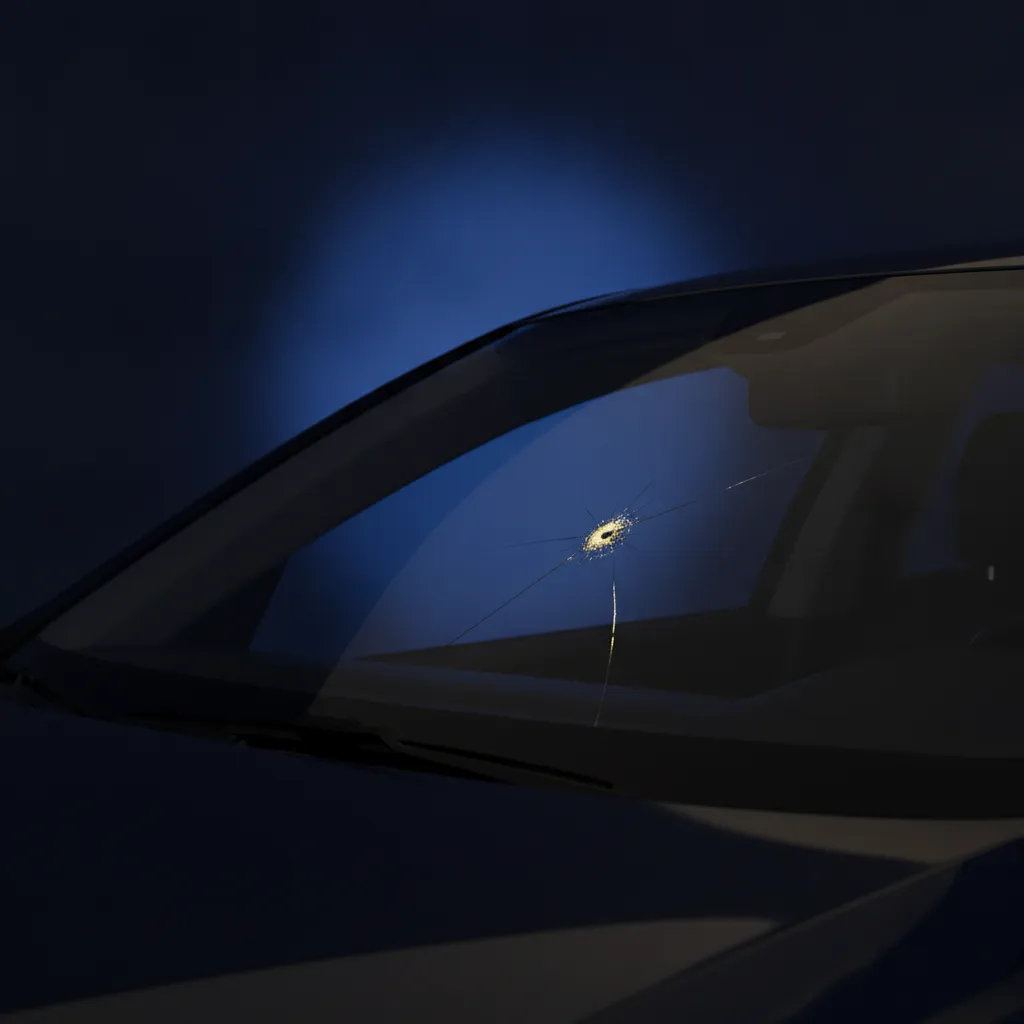
Yes, Car Insurance covers hail damage if you carry Comprehensive coverage. Hail is a comprehensive claim rather than a collision claim, and Comprehensive is optional in North Carolina, so a driver carrying only minimum liability has no coverage for hail damage to their own vehicle.
How do I know whether my policy covers hail damage?
Look for Comprehensive on your Auto Insurance declarations page. If Comprehensive is listed for the vehicle that was damaged, hail is generally handled under that coverage, subject to the terms of the policy and your comprehensive deductible. If your declarations page only shows liability coverage, there is no coverage for hail damage to your own car because liability pays for damage or injuries you cause to others.
In North Carolina, drivers are required to carry liability coverage, but Comprehensive is a separate optional coverage unless a lender or lessor requires it. If you finance or lease your vehicle, your loan or lease agreement may require physical damage coverage, including Comprehensive. If you own the vehicle outright, you decide whether to carry it. The North Carolina Department of Insurance provides consumer information on Auto Insurance at ncdoi.gov.
The key is that coverage applies vehicle by vehicle. A household may have Comprehensive on one vehicle and liability-only coverage on another. Do not assume that because one car is covered for hail, the other is too. Check the declarations page for the specific vehicle with the damage, and confirm the deductible shown next to Comprehensive.
Why is hail Comprehensive coverage instead of Collision coverage?
Hail is Comprehensive because it is a non-collision event. Collision applies when your vehicle is damaged by impact with another vehicle or object, such as a guardrail, pole, tree, or another car. Comprehensive applies to damage that happens to your vehicle from covered events other than a collision.
Comprehensive commonly covers non-collision events including hail, theft, vandalism, fire, flood, falling objects, striking an animal, and broken glass. Hail fits squarely in that category because you did not hit something and another driver did not hit you. The weather caused the damage.
If that distinction is fuzzy, collision vs. comprehensive explains how the two coverages work. The distinction matters because Comprehensive and Collision carry separate deductibles. A hail claim goes against your comprehensive deductible specifically, not your collision deductible. Many people remember only one deductible amount and assume it applies to everything, so it is worth checking the policy before deciding whether to file. You can also review how Car Insurance deductibles work.
What hail damage is typically covered?
A covered hail claim can include physical damage caused by the storm to the insured vehicle. That may include dents to the roof, hood, trunk, and body panels, plus cracked or shattered glass, damaged mirrors, broken trim, and damaged lights. Windshield damage is usually handled as a Comprehensive item as well, although glass claims can have special handling depending on the policy and state rules. For more on that issue, see whether insurance covers a cracked windshield.
Here is a practical way to separate common hail-related situations:
| Situation | How it is usually treated | What to check |
|---|---|---|
| Dents on roof, hood, trunk, or doors | Comprehensive hail damage | Your comprehensive deductible and repair estimate |
| Cracked windshield or broken window | Comprehensive glass damage | Whether your policy handles glass differently |
| Mirror, trim, or light broken by hail | Comprehensive damage | Whether parts and labor exceed your deductible |
| Water inside the car after glass breaks | May be reviewed with the hail claim | Document when the glass broke and how water entered |
| Old dents noticed after a storm | May be questioned if timing is unclear | Photos, storm date, and repair inspection notes |
Coverage is not the same as the amount paid. The insurer reviews the damage, the cause, the policy terms, the deductible, and the vehicle’s condition. If the hail damage is minor and the estimate is close to the deductible, the claim may not produce much payment. If the damage is more significant, Comprehensive is the coverage that keeps you from paying the entire repair bill yourself.
Should I file a hail claim or pay for repairs yourself?
Start by getting a repair estimate before you decide. If the repair cost is close to or below your comprehensive deductible, there may be no practical benefit to filing. If the repair cost is meaningfully above the deductible, filing may make sense, especially if the damage affects glass, lights, safety equipment, or resale value.
Use this checklist before you file:
- Confirm Comprehensive is on the damaged vehicle. Look at the declarations page, not just your memory of the policy.
- Find the comprehensive deductible. It may be different from your collision deductible.
- Photograph the damage promptly. Take clear photos from several angles and include close-ups of dents, glass, trim, lights, and any interior water damage.
- Write down the storm date and location. Delay makes a claim harder to substantiate, especially if more storms occur later.
- Get a repair estimate from a reputable shop. Paintless dent repair may be an option for some hail damage, but the right repair method depends on the severity and location of the dents.
- Compare the estimate to the deductible. If the estimate is below the deductible, you will pay the repair cost yourself even if the damage is covered.
- Consider your plans for the vehicle. If you plan to keep the car for a long time and the damage is cosmetic, you may choose not to repair it. If you plan to sell or trade it, unrepaired hail damage can affect the vehicle’s value.
Do not ignore damage to glass, lights, mirrors, or anything that affects safe operation. Cosmetic dents are a judgment call, but broken glass and lighting issues should be addressed promptly. If water entered the vehicle after a window or windshield broke, document that as well because interior damage can become harder to connect to the storm over time.
Will a hail claim raise my Car Insurance rate in North Carolina?
A hail claim is fundamentally different from an at-fault accident. Hail is a weather event. You did not cause it, and there is no fault to assign. That is not the same as an at-fault collision, unsafe driving behavior, or a serious moving violation. For more context, see how accidents and tickets affect your Car Insurance.
That said, claims history can still be one factor carriers review. A comprehensive weather claim is not the same as an at-fault collision, but a pattern of frequent claims of any kind can matter. The practical question is not simply, “Will this raise my rate?” The better question is, “Does the likely claim payment justify filing, given my deductible, the damage, and my overall claim history?”
This is where an independent agent can be useful before you open the claim. An agent can help you confirm the coverage, identify the deductible, think through whether the damage is worth filing, and explain how this type of claim is usually viewed compared with at-fault losses. No one should promise that a claim will have no effect in every situation, but it is fair to say that a hail claim is a no-fault weather claim, not an at-fault accident.
What should North Carolina drivers watch for after a hailstorm?
Large hail events often attract out-of-area repair operations that go door to door. Some may offer to cover, waive, or absorb your deductible. Treat those offers with caution. Your deductible is part of the insurance contract, and signing paperwork you do not understand can create problems. Before signing anything that assigns claim benefits, authorizes repairs, or gives a contractor control over communications with the insurer, talk with your carrier or agent.
Use a reputable local repair shop and keep control of the claim process. Ask whether the shop has experience with hail repair, whether the estimate includes hidden damage that may appear after teardown, how supplements are handled, and whether repairs are documented for resale or trade-in purposes. If glass is damaged, ask how soon it can be secured so rain does not create additional interior damage.
For vehicles parked outside in the North Carolina Piedmont, Comprehensive is worth considering honestly. It is generally the less expensive of the two physical damage coverages, and it is the coverage that responds to hail, theft, flood, fire, animal strikes, falling objects, vandalism, and broken glass. Dropping to liability-only may reduce premium, but it also means you are choosing to self-insure those losses on your own vehicle.
If your vehicle is financed or leased, also check your loan or lease requirements before making coverage changes. A lender or lessor may require Comprehensive and Collision, and removing required coverage can create contract problems. If the vehicle is older and paid off, the decision becomes more personal: compare the value of the vehicle, the deductible, how the vehicle is parked, and whether you could comfortably pay for hail repairs out of pocket.
How The Jordan Insurance Agency can help
The Jordan Insurance Agency is an independent insurance agency serving Charlotte, North Carolina and Nashville, Tennessee. We can review your Auto Insurance policy, confirm whether the damaged vehicle carries Comprehensive, explain your comprehensive deductible, and help you think through whether a hail claim makes sense before you file. Schedule Your Consultation to review your options.