

Does insurance cover a cracked windshield in NC?
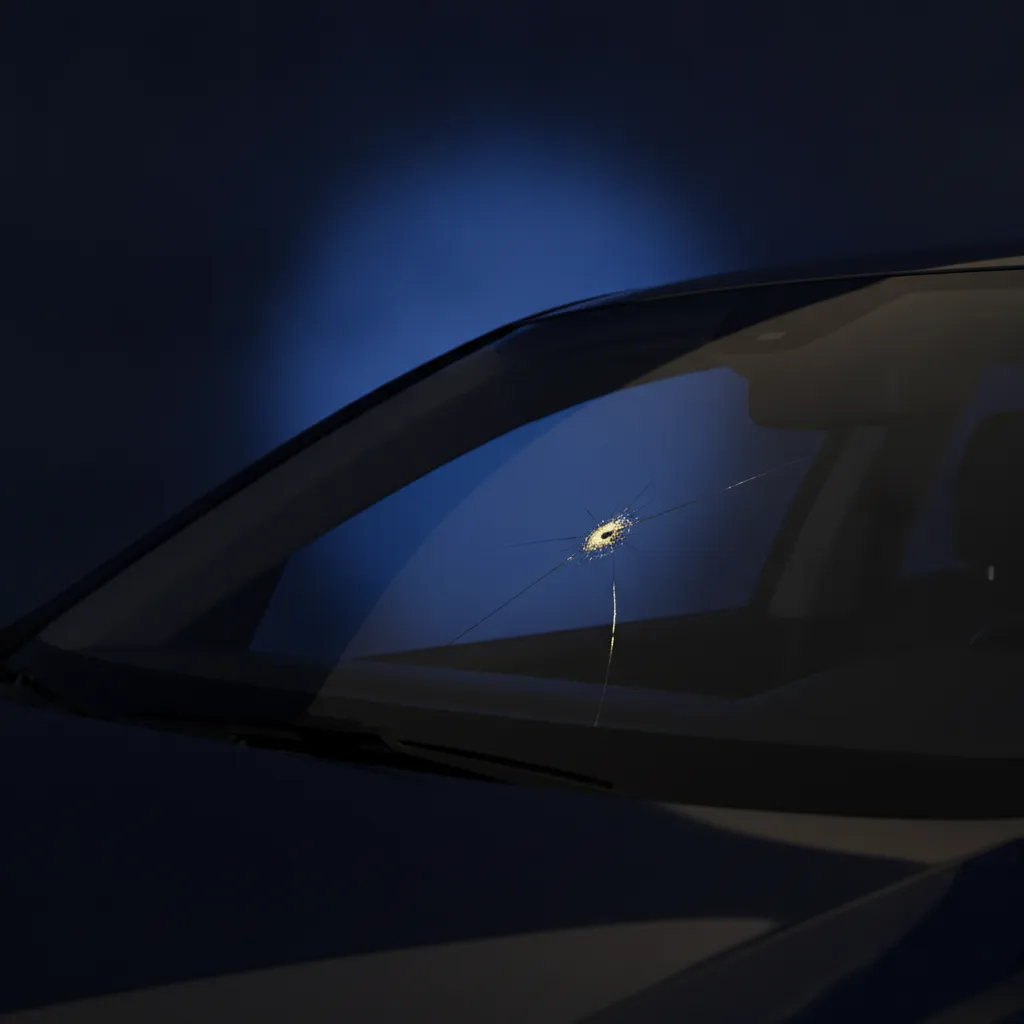
A cracked windshield can be a comprehensive loss when the policy covers the cause. NCDOI lists glass breakage under other than collision, including gravel damage in its consumer explanation. Check the actual loss facts, coverage, glass terms and deductible rather than assuming every crack is automatically insured.
Your liability coverage does not insure damage to your own windshield. Comprehensive generally responds less any applicable deductible, but a glass endorsement or repair waiver can change that calculation. Review the actual form and notice duties before concluding that a small loss requires no contact or has no available benefit.
This guide explains the usual coverage category, deductible questions, safe assessment and reporting steps, and your North Carolina repair-service choice. Actual policy provisions and claim facts govern.
Which coverage pays for glass
North Carolina auto policies separate damage to your own vehicle into two coverages, and the North Carolina Department of Insurance defines both on its basic and miscellaneous auto coverages page.
Collision means physical damage to your covered vehicle caused by an impact with another vehicle or object. It pays the lesser of the cost of repair or the actual cash value of the automobile.
Other Than Collision, which almost everyone calls Comprehensive, pays the cost of repair or actual cash value of your automobile less any deductible, and covers a specific list of causes.
A rock thrown up by a lorry on I-77 is not an impact with another vehicle in the Collision sense. It is glass breakage, and it sits on the Comprehensive list. Our guide to Collision versus Comprehensive coverage works through the distinction in more depth, because it comes up constantly and not only for glass.
Common comprehensive loss examples in North Carolina
It is worth seeing the whole list, because most drivers underestimate it. NC DOI lists the following as comprehensive claims:
- missiles or falling objects;
- fire;
- theft or larceny;
- explosion or earthquake;
- windstorm;
- hail, water or flood;
- malicious mischief or vandalism;
- riot or civil commotion;
- contact with a bird or animal; and
- breakage of glass.
That list is the answer to a lot of separate questions people ask one at a time. A tree limb in a storm, a hailstorm, a break-in, a flood, a deer — all the same coverage.
A few of those entries are worth drawing out, because they come up in Charlotte more than the others. Windstorm and hail matter here because a single severe storm can produce a dented bonnet and a cracked windscreen in the same event, and both belong to the same coverage and the same deductible. Water or flood is the one drivers most often assume must be excluded — it is not, provided you carry Comprehensive, and it is a meaningful point in a state that sees tropical systems come inland. Theft or larceny covers the vehicle itself; what is inside it is usually a question for your Home or Renters policy rather than your Auto policy.
Comprehensive is also one of the two coverages people mean when they say "full coverage," which we unpack in our guide to full coverage car insurance in North Carolina. The practical takeaway is that Comprehensive is doing far more work than the phrase "other than collision" suggests. Drivers who drop it to save money on an older car are usually thinking about their driving, when most of that list has nothing to do with driving at all.
Does North Carolina have a free windshield law?
This question comes up because a handful of states do have full-glass or zero-deductible glass rules, and the idea travels further than the law does.
Do not assume North Carolina works that way. NC DOI's own description of Comprehensive says it pays the cost of repair or actual cash value less any deductible, and it carves out no exception for glass. If you have been told your windshield is automatically free in North Carolina, treat that as something to verify rather than rely on.
What does vary is the carrier. Some insurers offer a separate glass deductible, a lower deductible for glass specifically, or a repair-versus-replacement distinction in how the deductible applies. That is a policy-by-policy question, not a state rule, and it is exactly the kind of thing worth checking before you need it rather than after.
How the deductible changes the answer
This is where most glass questions actually get decided.
For a labeled illustration, assume a $500 deductible applies without a glass waiver. A $450 eligible repair would leave no payment under that assumed coverage; a $900 eligible replacement would leave $400 after the deductible. These are arithmetic examples, not prices or claim promises. An endorsement, approved repair scope or other coverage can change the result.
Modern windscreens have made this less obvious than it used to be. A windscreen on a car with driver-assistance cameras often needs recalibration after replacement, and that can move the total well past what people expect from "just a windscreen."
Check the deductible and any glass waiver, obtain an assessment and follow policy notice and authorization requirements. Do not delay required notice or necessary safety work just to get a price first. Our explainer on how a car insurance deductible works covers the calculation.
Repair or replace
Small chips can often be repaired rather than replaced, which is usually faster and cheaper. Whether a chip is repairable generally depends on its size, depth and position, and a chip directly in the driver's line of sight is more likely to require replacement even when it could technically be filled.
A chip can spread, so arrange an assessment promptly instead of assuming it will remain harmless. A qualified repairer should determine whether repair or replacement is appropriate and whether manufacturer procedures require calibration. Do not assume every chip inevitably needs replacement or every repair exceeds the deductible.
What to do when it happens
Address safety first, then document what happened and follow the insurer’s claim instructions. The steps below are a checklist, not a reason to delay required notice or necessary work.
Document the damage when safe. Photograph it and record when and how it happened. Do not let taking photographs delay immediate safety assistance.
Check notice duties and repair instructions. Contact the insurer or agent as the policy requires. Ask a qualified shop about repair, replacement and any calibration, and clarify authorization and payment scope before committing to work.
Compare the estimate with the actual glass terms. Check deductible waivers, separate glass deductibles and required notice. A below-deductible estimate does not establish that no call is ever necessary.
Arrange a prompt glass assessment. Damage may spread. Ask the repairer what can safely be repaired and what replacement or calibration procedures are required.
Do not drive on a badly cracked windscreen longer than you must. Beyond the safety issue, the windscreen is a structural component on most modern cars and contributes to how the airbags and roof perform in a crash.
Glass on a leased or financed car
A loan or lease may require comprehensive, but verify that it is actually in force and inspect the glass deductible and endorsements. Financing does not itself prove that a particular crack is covered.
What changes is the calculation about whether to claim. On a leased vehicle, unrepaired glass damage tends to surface at the end of the lease as a wear-and-tear charge, which means "leave it and live with the crack" is often not the saving it appears to be. On a financed vehicle you own outright at the end, the decision is more genuinely yours.
It is also worth checking whether the lease agreement says anything about approved repairers or original-equipment glass, because some do, and discovering that at lease-end is an expensive way to find out.
Hitting a deer is the same kind of claim
This surprises people every autumn, so it is worth stating plainly: hitting a deer is Comprehensive, not Collision. NC DOI lists "contact with a bird or animal" on the comprehensive list, alongside glass breakage.
The distinction matters because the two coverages can carry different deductibles, and because drivers often assume an animal strike is an at-fault accident. Swerving to avoid an animal and hitting something else is a different situation — that impact is with an object, which is Collision territory. Contact with the animal itself is Comprehensive.
If you want the fuller treatment of how these two coverages divide up the world, the Collision versus Comprehensive guide is the place to go.
Even after a proper repair, a vehicle with an accident on its record can be worth less than it was. That gap is the subject of a diminished value claim.
Should you file a claim at all?
Not every covered loss is a loss worth claiming, and an honest agency will say so.
A covered amount below an applicable deductible may produce no payment, but first check glass waivers, endorsements, other damage and notice duties. Ask how the insurer handles the loss; no general statement guarantees that a glass claim cannot affect future pricing or eligibility.
What we would not do is tell you that a claim never affects anything. Our guide to how accidents and tickets affect car insurance covers what does drive rate changes in North Carolina, and it is worth understanding the difference between a comprehensive glass claim and an at-fault collision before deciding.
Common questions and misunderstandings
"I only have liability. Am I covered?" Liability coverage itself does not pay for your own windshield. Comprehensive commonly addresses covered glass damage, but a policy described as liability-only may still include uninsured-motorist property-damage coverage. If an uninsured driver caused the damage, ask whether that separate coverage applies under its fault, identification, notice and deductible requirements; a rock chip alone does not establish a qualifying uninsured-motorist claim.
"Is a rock chip Collision because something hit my car?" No. It is breakage of glass, which NC DOI lists under Comprehensive.
"Does it matter if the crack is on a side window or the rear screen?" The coverage is the same — breakage of glass. What differs is cost and whether repair is an option.
"Will my rate go up for a windscreen claim?" Comprehensive claims are treated differently from at-fault accidents, but the specifics are a carrier question. Ask before filing if the amount is marginal.
"What if the crack has been there for months?" Report the actual timing and cause accurately. Existing damage, a later expansion and policy dates can raise different questions. The insurer determines coverage under the form; a qualified repairer determines the appropriate safety work.
"Do I have to use the shop my insurer suggests?" North Carolina G.S.58-3-180 gives the claimant repair-service choice. The amount determined payable under the policy must be paid regardless of the chosen service. This does not require payment of every charge or guarantee original-equipment glass; clarify the covered repair scope and any difference before authorizing work.
"Someone else’s truck threw the rock. Should they pay?" Liability depends on the actual facts and evidence; a windshield crack alone does not establish another driver’s negligence. Preserve available details safely and ask the insurer about the claim. Do not assume another party can never be responsible or delay policy notice while pursuing them.
"Does a glass claim count against me the way an accident does?" Comprehensive claims are generally treated differently from at-fault collisions, because they do not reflect your driving. How a particular carrier weighs claim frequency is still a carrier question, which is why we suggest asking before filing anything marginal.
"My windscreen has sensors and cameras behind it. Does that change anything?" It changes the cost, sometimes substantially, because replacement may require recalibrating the driver-assistance system. It does not change which coverage applies — it is still breakage of glass under Comprehensive. It does make it much more likely the repair exceeds your deductible.
How The Jordan Insurance Agency helps
Glass is a small claim that exposes a big question: do you actually know what your Comprehensive deductible is, and does your policy treat glass differently from everything else on that list?
The Jordan Insurance Agency is an independent agency in Charlotte serving drivers across North Carolina. We can tell you what your current policy does with glass, whether the carriers we represent offer a glass deductible option that fits how you drive, and — when it applies — whether the repair in front of you is even worth filing. Sometimes the useful answer is "pay for this one yourself," and we would rather say that than process a claim that does not help you.
Additional primary references: NC claimant repair-service choice; NCDOI gravel, glass and comprehensive overview. Review the actual policy and claim requirements.

.svg)
.svg)